Zero Emission DAY 2026

What is Zero Emissions Day?

Zero Emissions Day (ZeDay), observed every year on 21 September, is a global environmental awareness initiative that invites people, institutions and communities to reduce fossil-fuel use and reflect on practical ways to lower greenhouse-gas emissions. The idea is deliberately simple: give the planet a short break from avoidable emissions, then carry the lessons from that day into everyday life.

The initiative is commonly traced to Canadian environmental advocate Ken Wallace and gained wider recognition through the ZeDay movement from 2008. Unlike a United Nations-designated international day, Zero Emissions Day is a grassroots observance. It nevertheless provides a useful platform for environmental education, clean-energy advocacy and public engagement. The European Climate Pact also recognizes 21 September as Zero Emissions Day and encourages citizens, schools, businesses and communities to take practical emissions-reduction actions.

Why it matters for African communities

For African communities, the meaning of zero emissions must be linked to energy access and development. Many households and productive activities still need more reliable energy, not simply less energy. The challenge is therefore to expand access while increasing the share of clean, efficient and locally appropriate technologies. Renewable energy, efficient appliances, cleaner cooking, reduced waste and protection of natural ecosystems can support this transition while improving livelihoods.

For EWAH NEXUS, the day reinforces a practical message: climate action becomes meaningful when people can see, understand and use solutions that respond to their realities. Awareness is the starting point, but awareness should lead to skills, adoption, innovation and community action.

From awareness to practical solutions

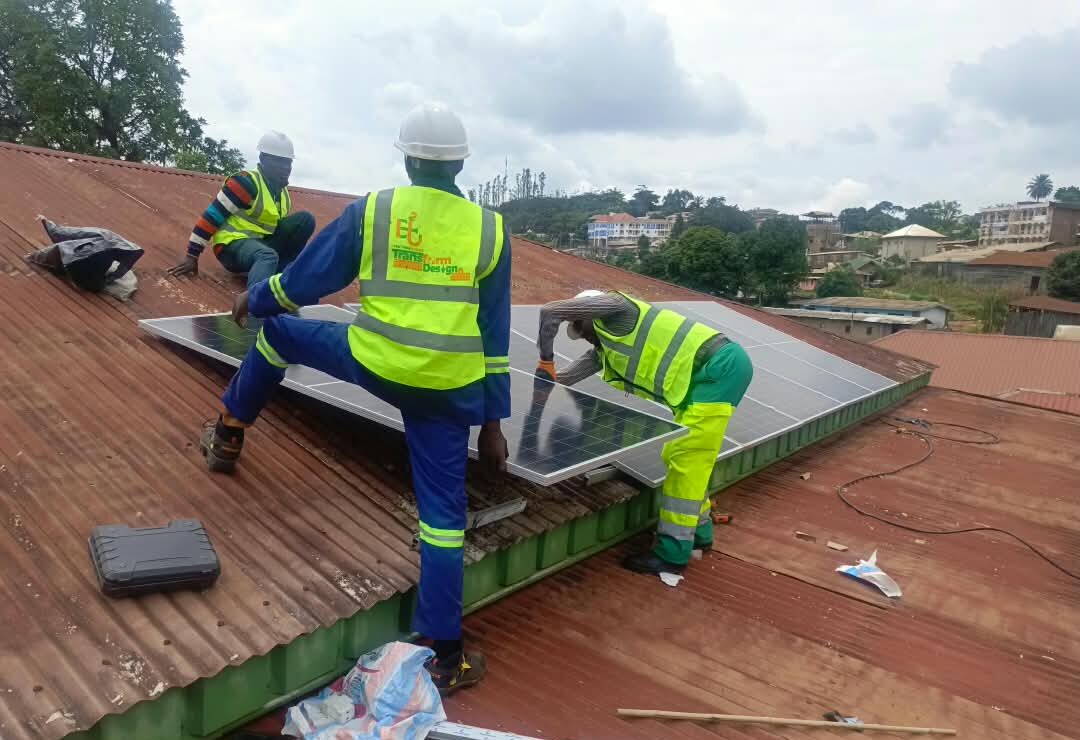
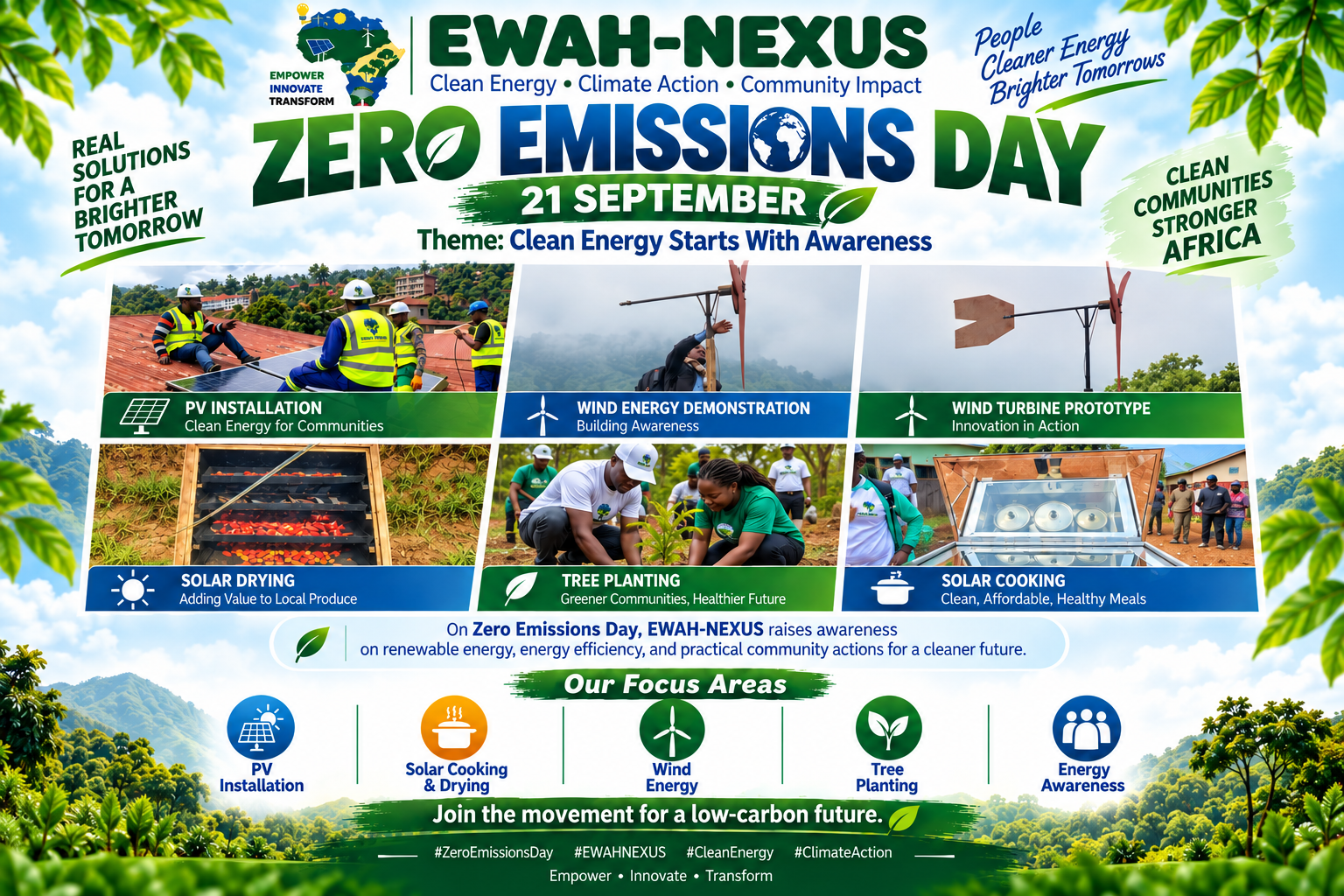
Solar photovoltaic systems demonstrate how sunlight can be converted directly into electricity for homes, institutions, businesses and community services. Beyond the technology itself, practical installation and maintenance activities build the green skills required for a growing clean-energy economy.

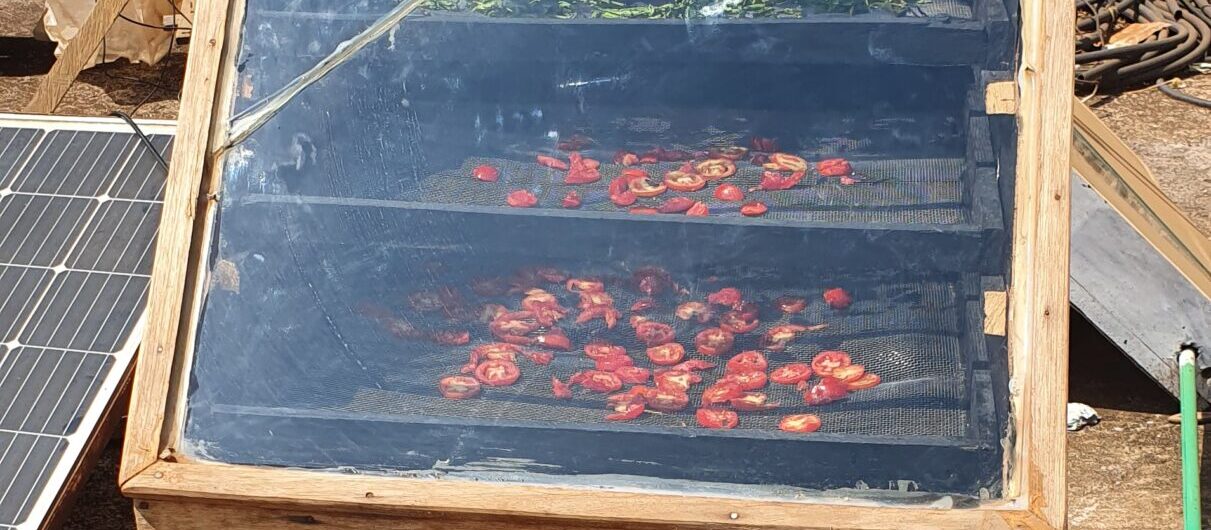
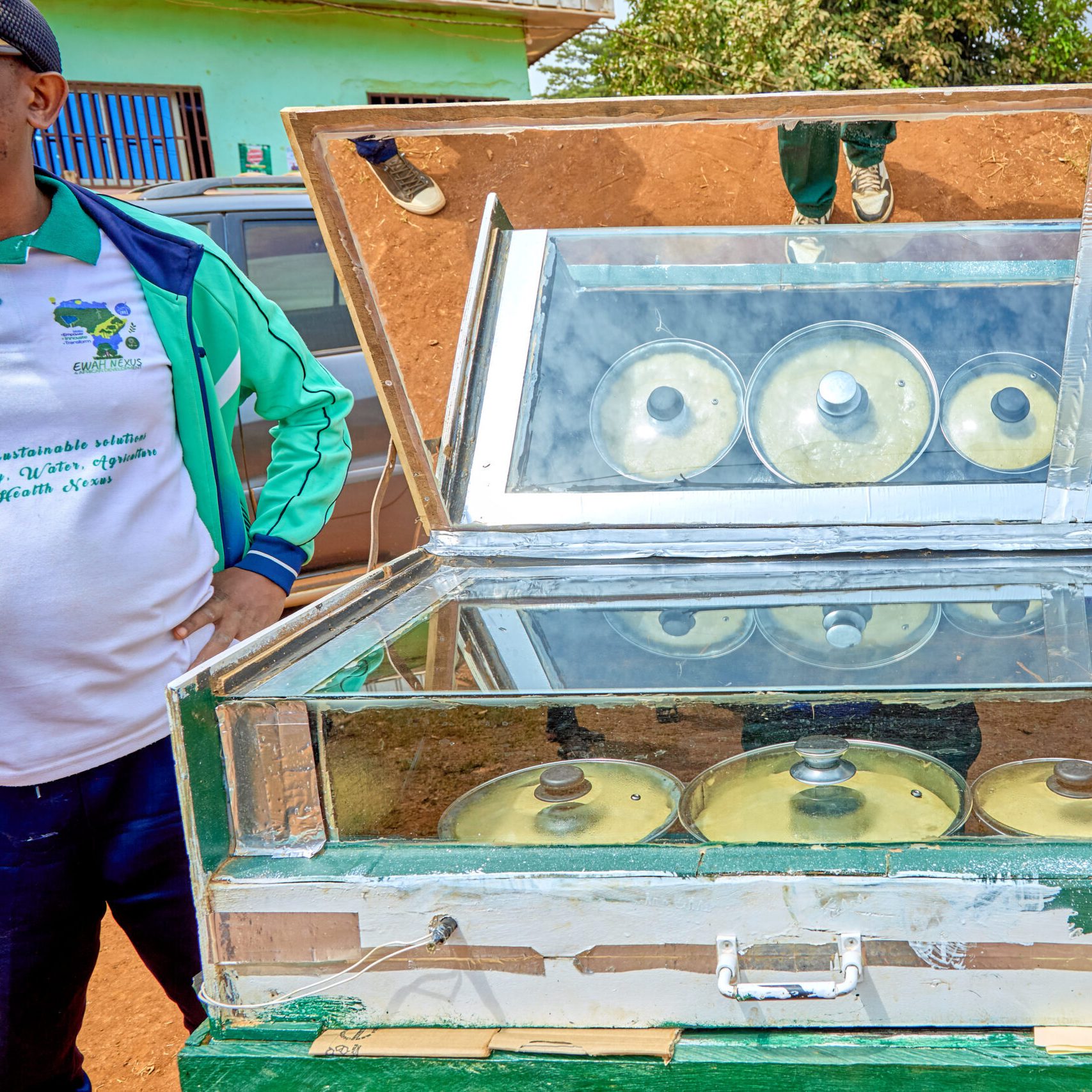
Solar cooking and solar drying show how renewable energy can address everyday needs. Solar cooking can reduce dependence on conventional fuels in suitable applications, while solar drying can preserve food, reduce post-harvest losses and support value addition for farmers and small enterprises.

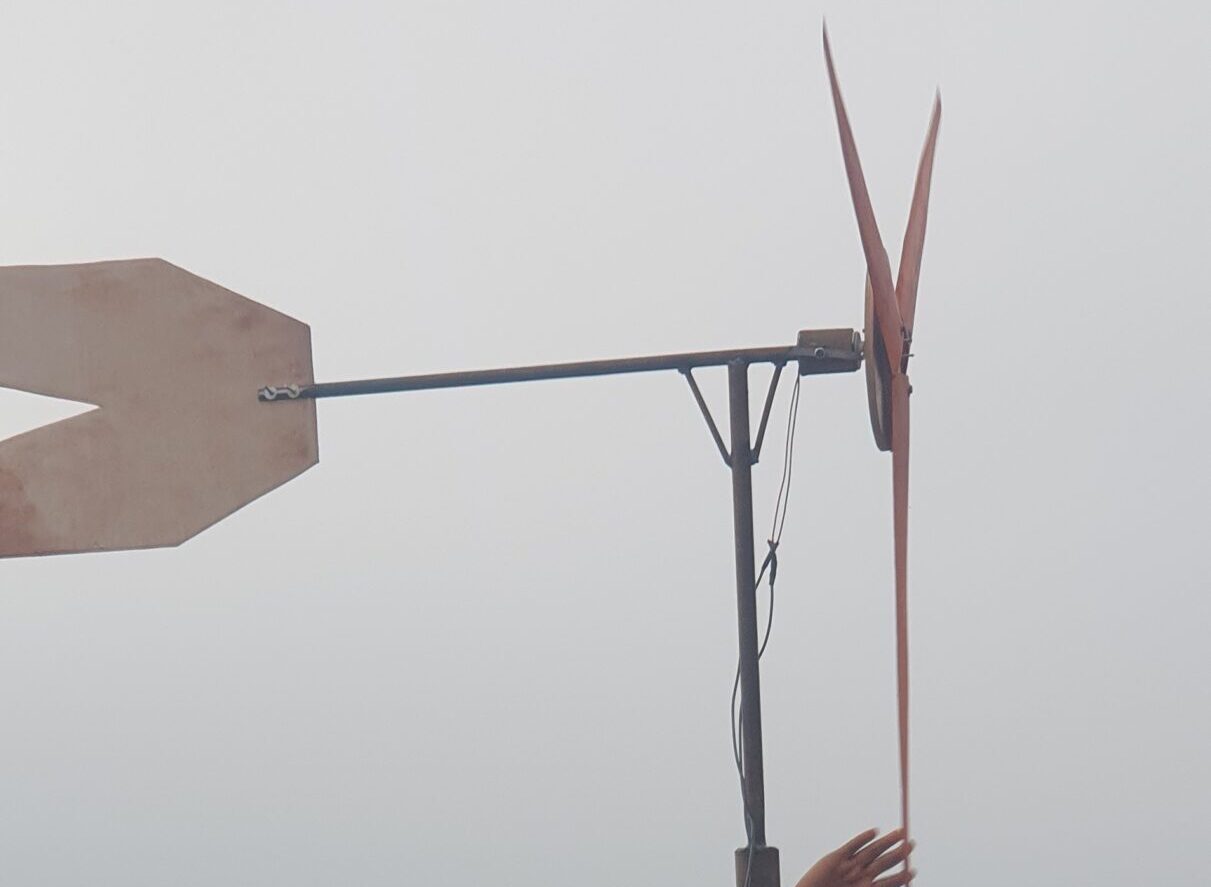
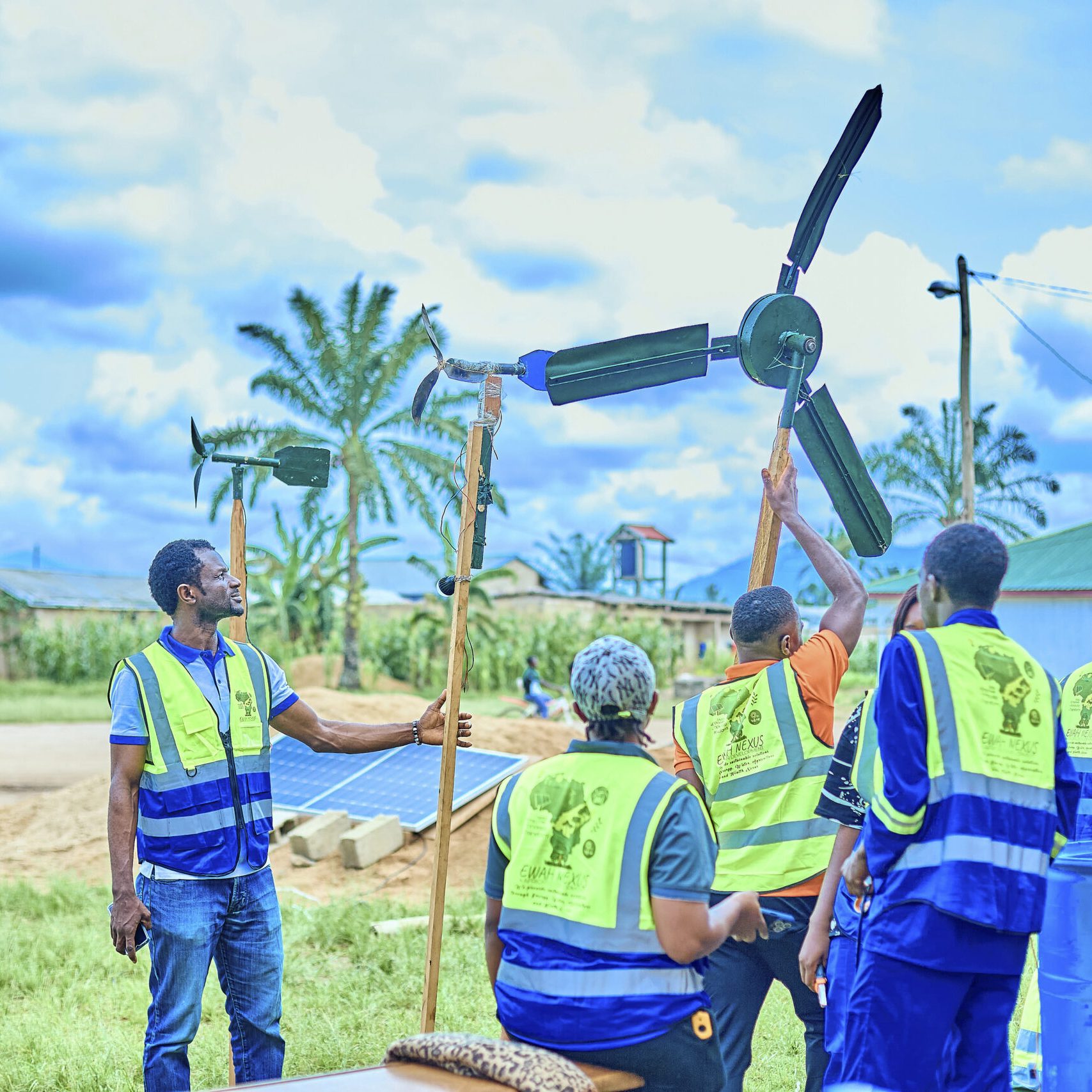
Small-scale wind-energy demonstrations help students, young innovators and communities move from theory to experimentation. A locally built or tested prototype turns an abstract renewable-energy concept into something people can observe, measure, improve and discuss.

Tree planting and environmental restoration complement technological interventions by supporting biodiversity, shade, soil protection and long-term carbon removal. Energy awareness connects all these actions by helping people understand how choices about electricity, transport, cooking, waste and consumption affect the environment.

Five actions we can start today

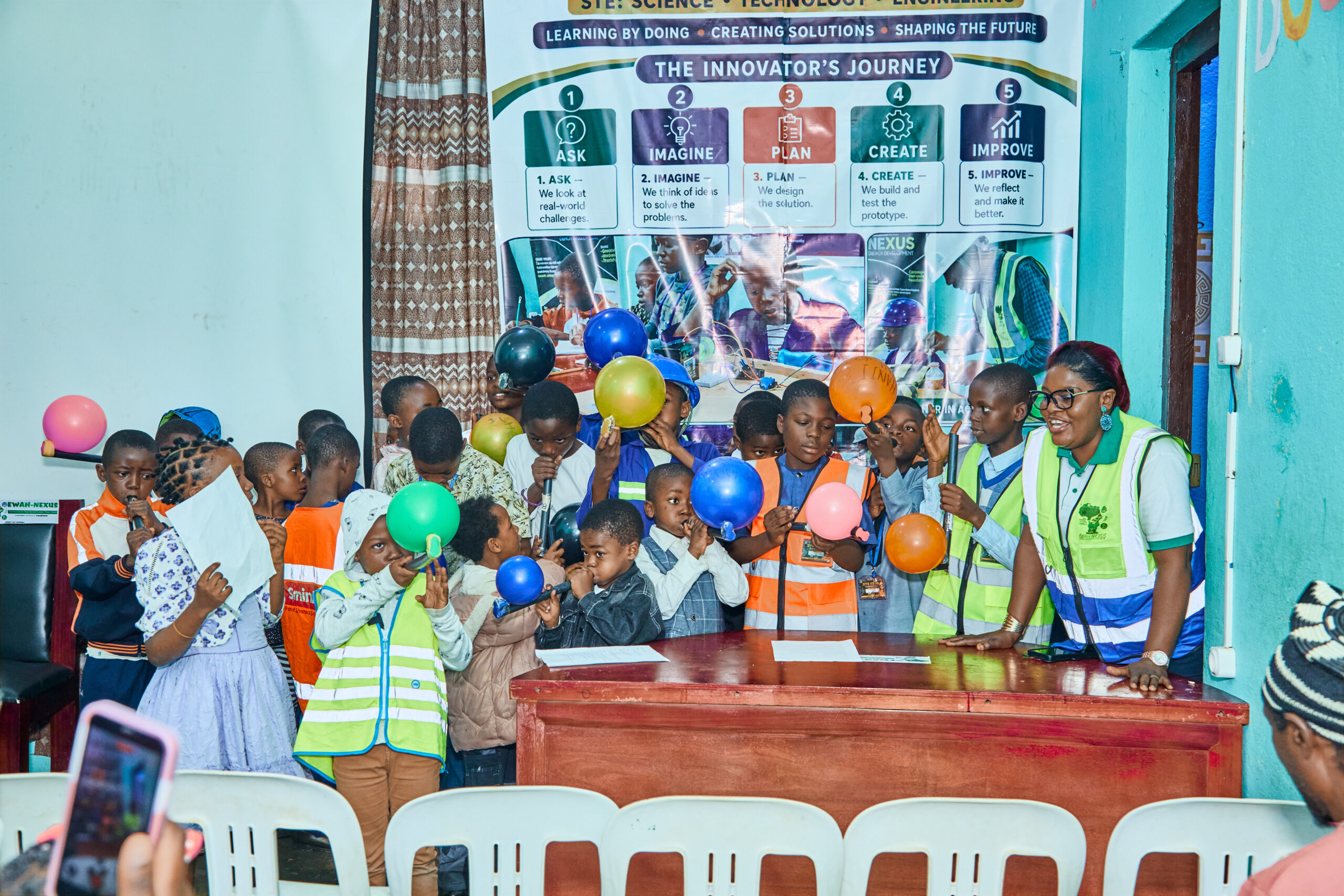
School water, energy and GREEN STEM pilot project

EWAH NEXUS message for 2026

Zero Emissions Day challenges us to imagine a cleaner future and then begin building it. For EWAH NEXUS, that future includes communities where renewable energy supports productive livelihoods; young people gain practical green skills; women have greater access to appropriate clean technologies; farmers can add value to produce using renewable energy; and local people become active participants in the transition toward sustainability.

Achieving zero emissions cannot happen in a single day. The value of 21 September is that it creates a moment for reflection, learning and visible action. Every solar panel installed, every efficient device adopted, every clean-energy technology demonstrated, every tree planted and every person reached through energy awareness can become part of a longer journey toward resilient communities.


_Y6C6319.jpg

Our message is simple: Clean Energy Starts With Awareness — but it must lead to action. Together, through awareness, innovation and practical community solutions, we can move toward a future where development and environmental responsibility advance side by side.

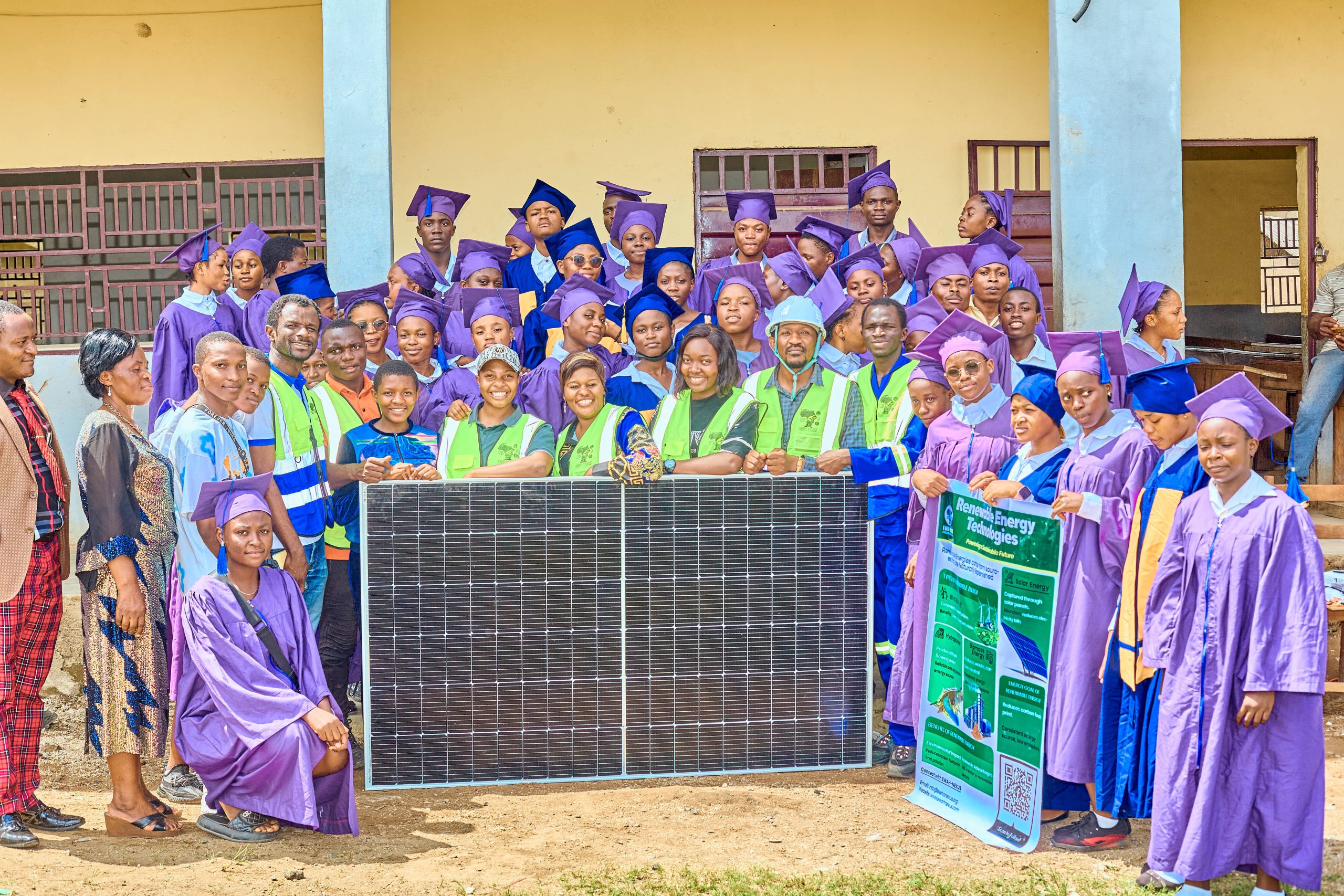
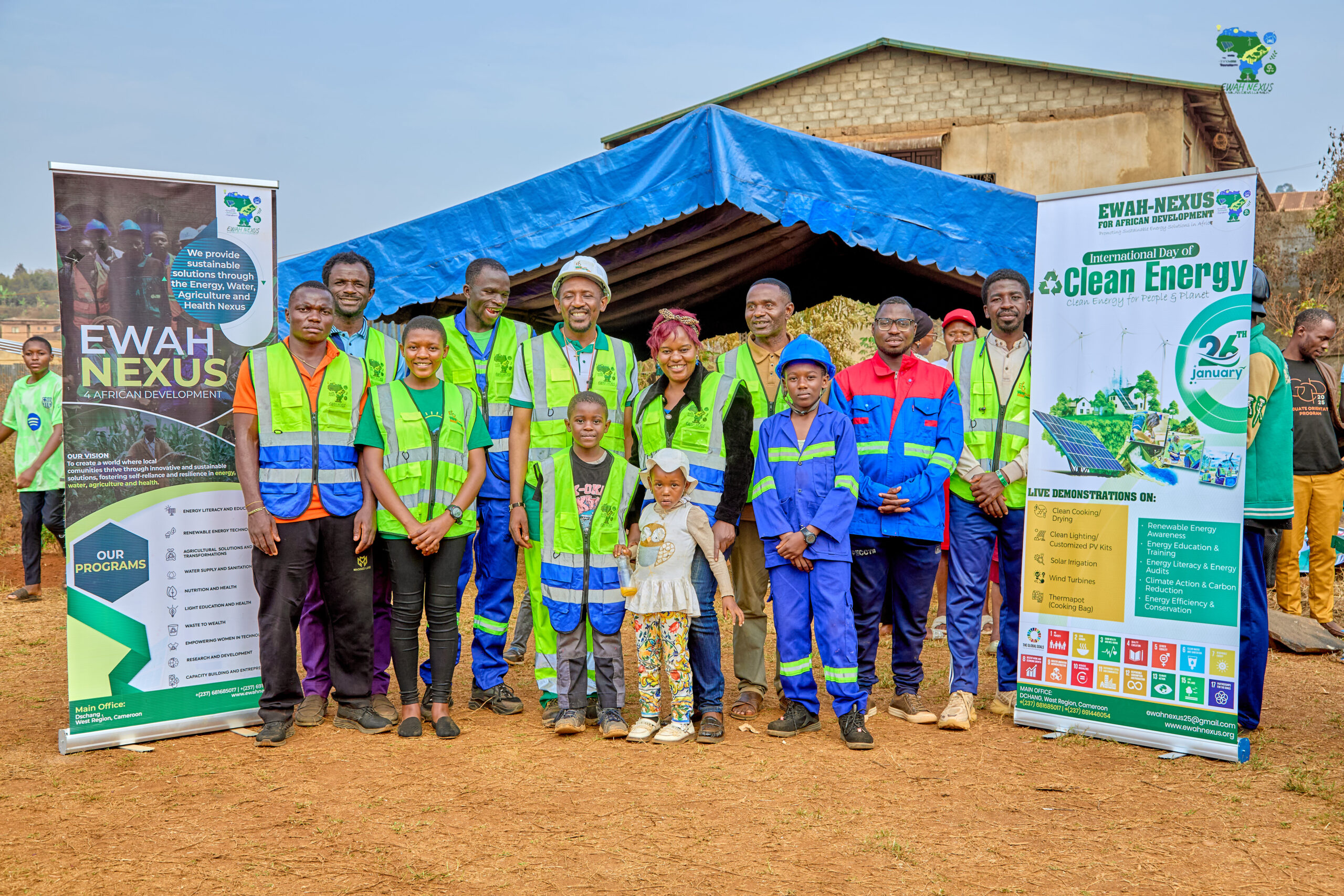
EWAH NEXUS team and community members at a project activity in Cameroon

Comments ( 5 )

Leave a Reply

Your email address will not be published. Required fields are marked *

Related Posts