Dschang, West Region, Cameroon
EWAH NEXUS — Energy, Water, Agriculture & Health Nexus — is a development association officially registered in Dschang, West Region of Cameroon. We are a techno-social organisation dedicated to sustainable community transformation through the integration of clean energy, water security, sustainable agriculture, and holistic health.
Founded on the belief that no single pillar of development can succeed in isolation, EWAH NEXUS takes a Nexus Approach — recognising that energy powers water pumps, water irrigates farms, farming produces food, and food security underpins good health. We work at the intersection of all four.
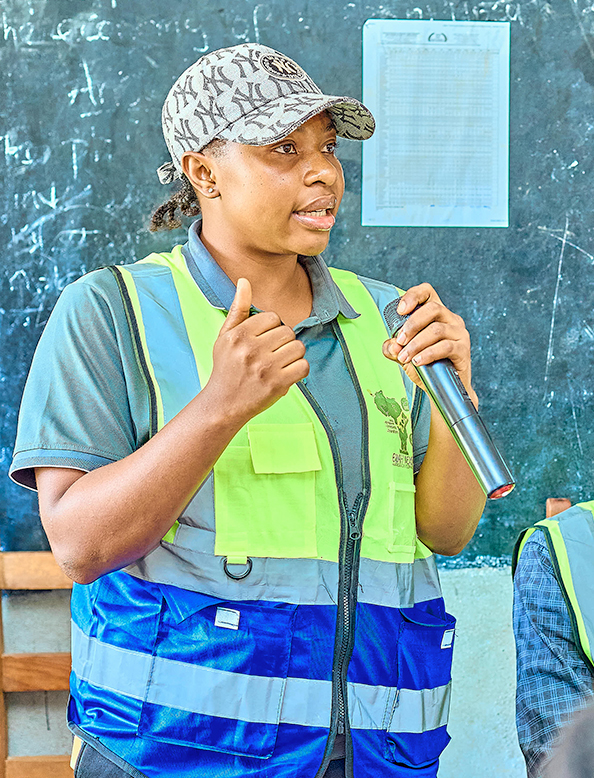
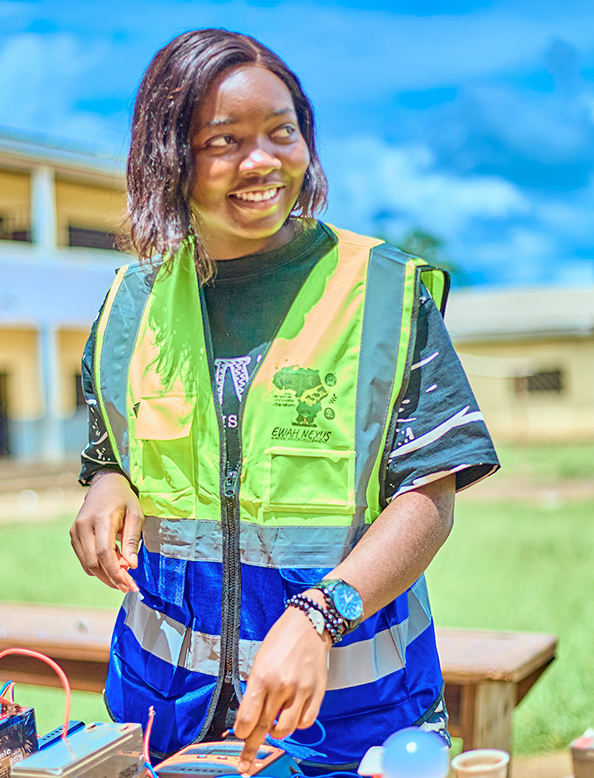
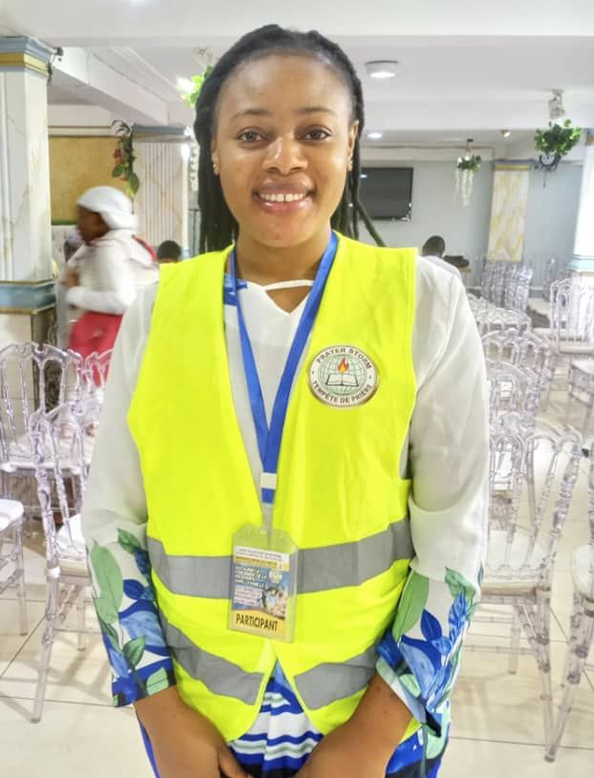
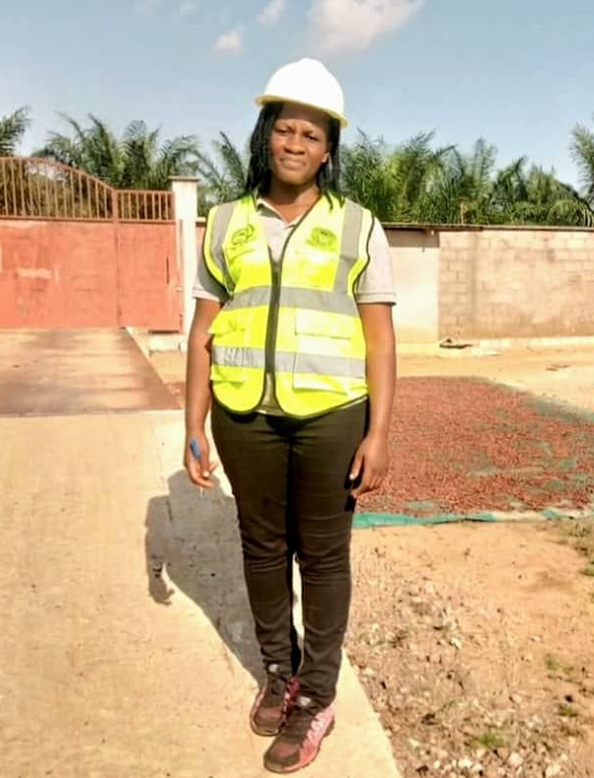
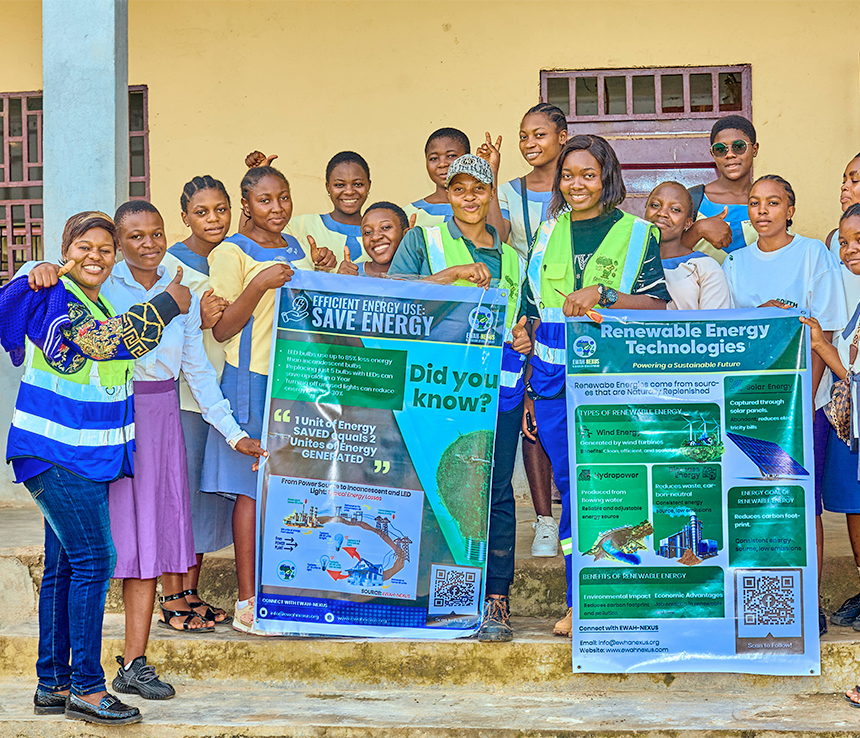
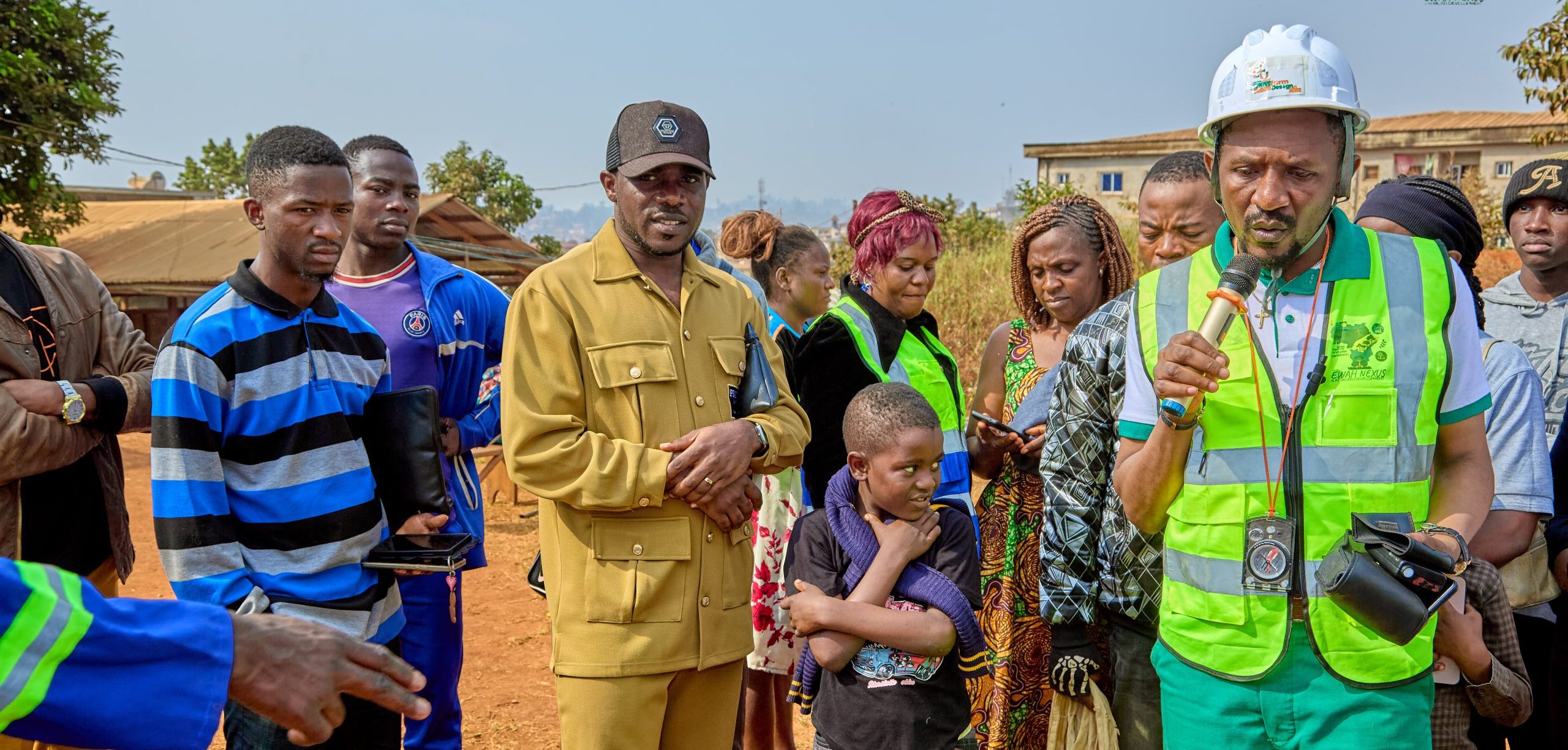
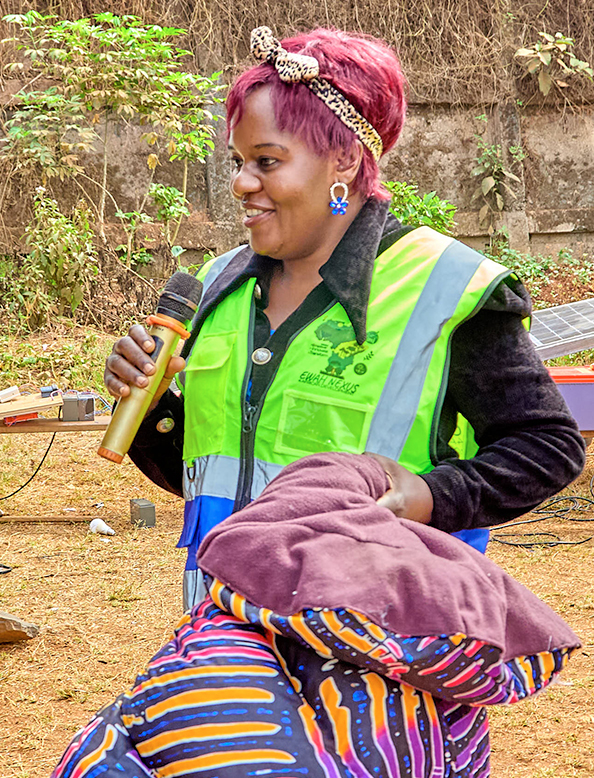
We prioritise the empowerment of women and youth as the primary agents of community change — equipping them with technical skills, entrepreneurial capacity, and leadership roles to drive their own communities forward.
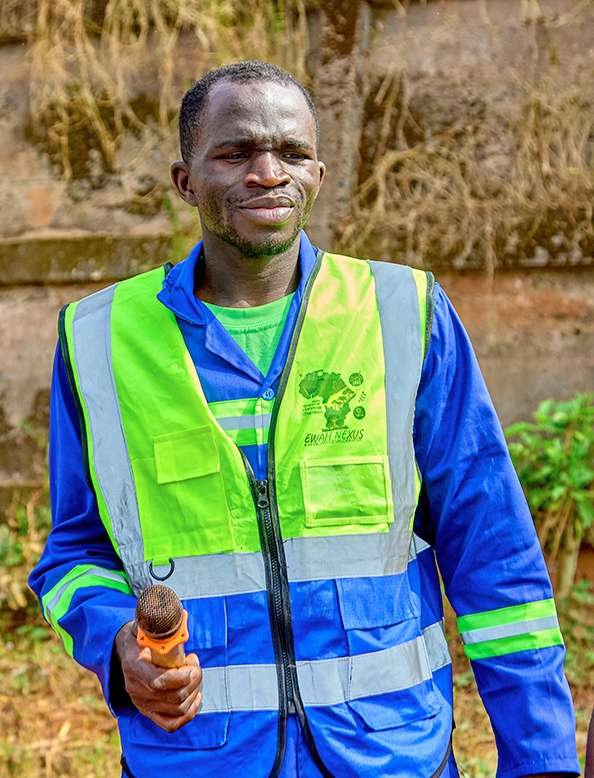
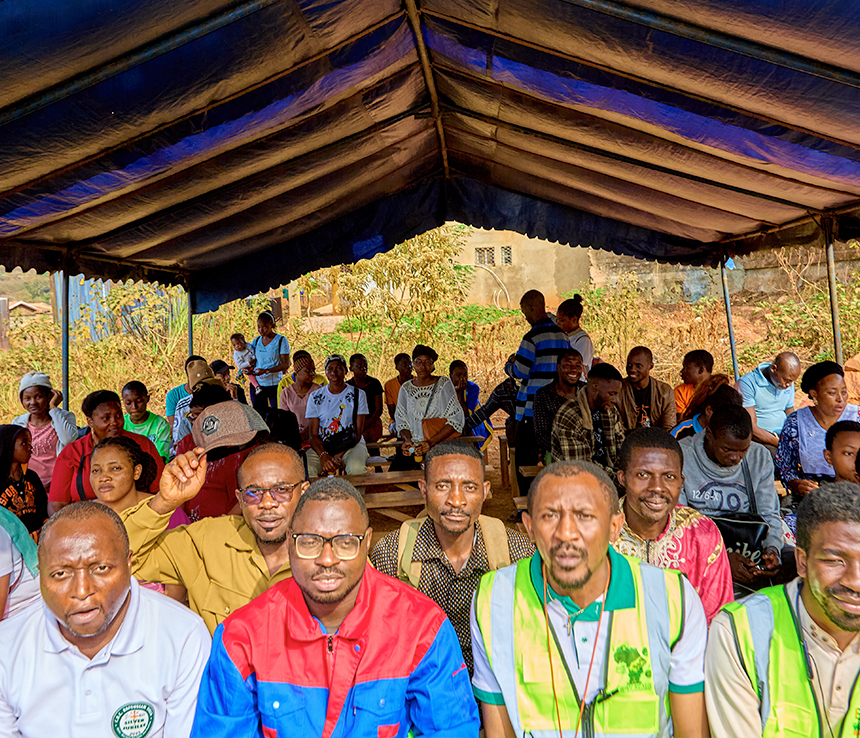
EWAH-NEXUS believes that meaningful development cannot happen when the people most affected by challenges are left out of the solution. Women, youth, rural communities, and vulnerable groups often carry the greatest burden of energy poverty, water scarcity, food insecurity, and poor health access. For this reason, we ensure that they are not only beneficiaries, but active participants and leaders in our programs.
Our approach promotes equal opportunity, community participation, and shared ownership. We create spaces where local voices are heard, local knowledge is respected, and community members are empowered to contribute ideas, skills, and leadership. By doing this, we build solutions that reflect real needs and create stronger community commitment.
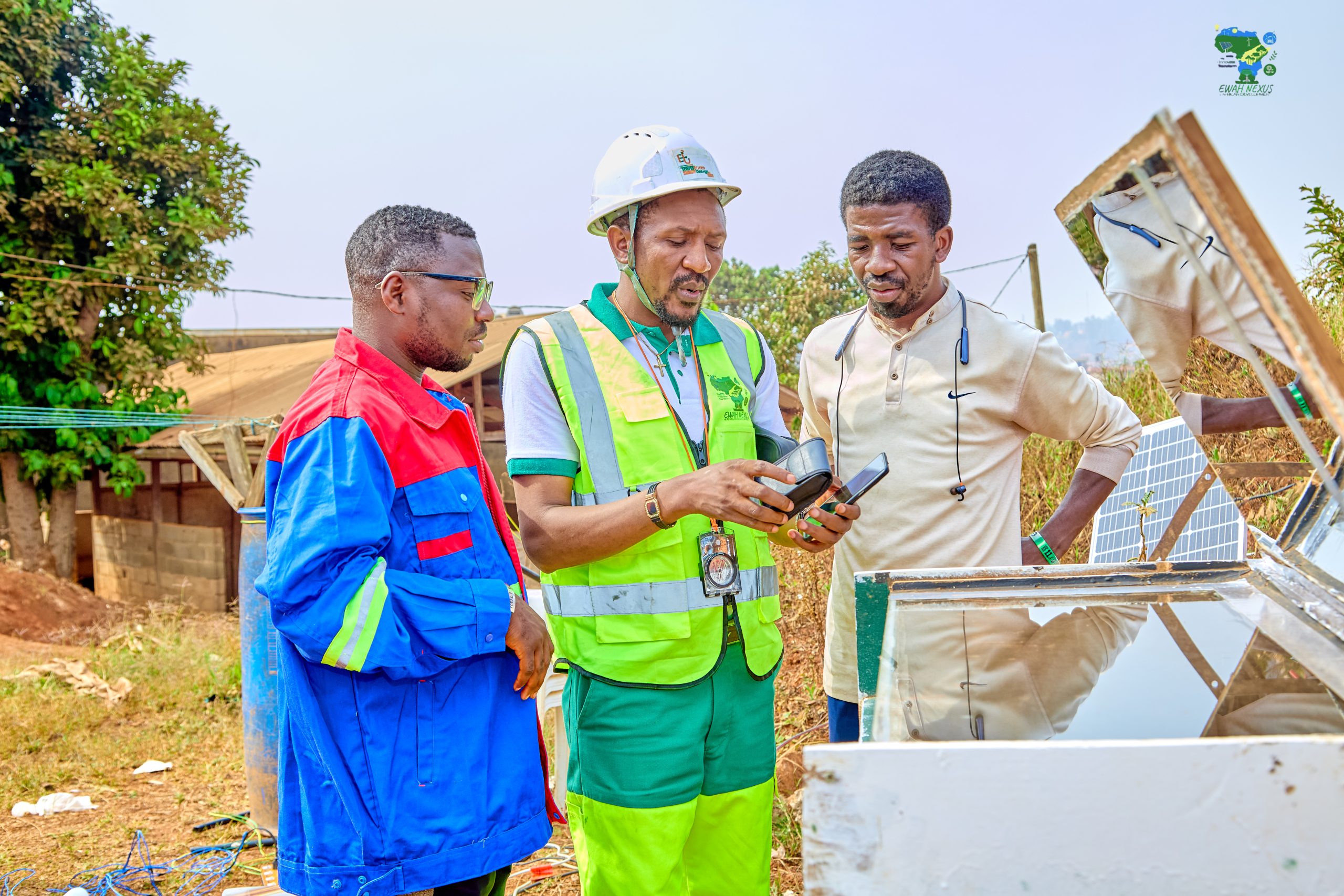
Technical sovereignty means giving communities control over the technologies that serve them. Instead of simply introducing external solutions, EWAH-NEXUS focuses on training local people to understand how systems work and how to keep them functioning effectively.
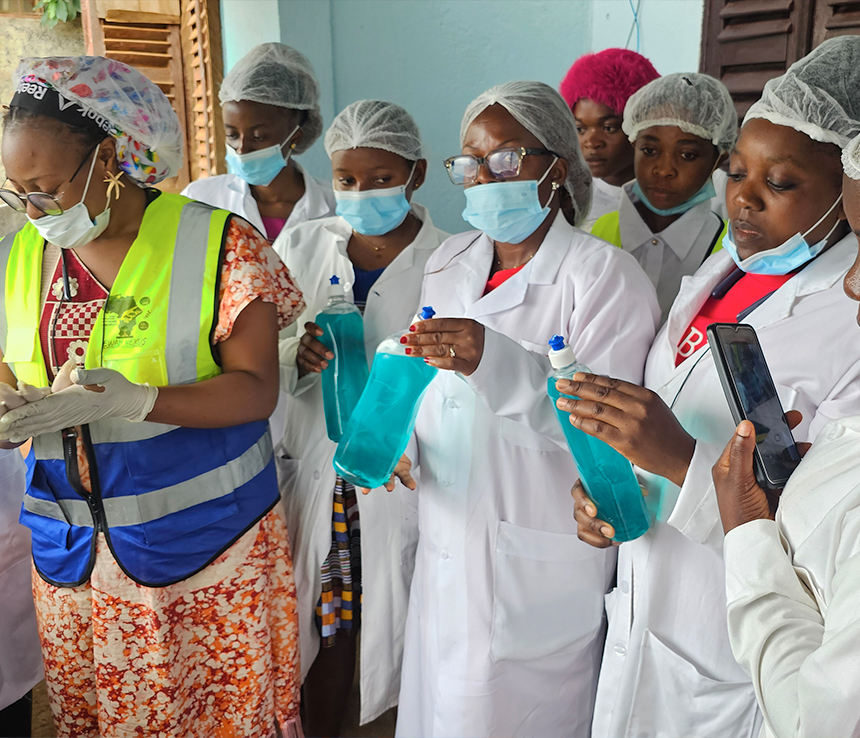
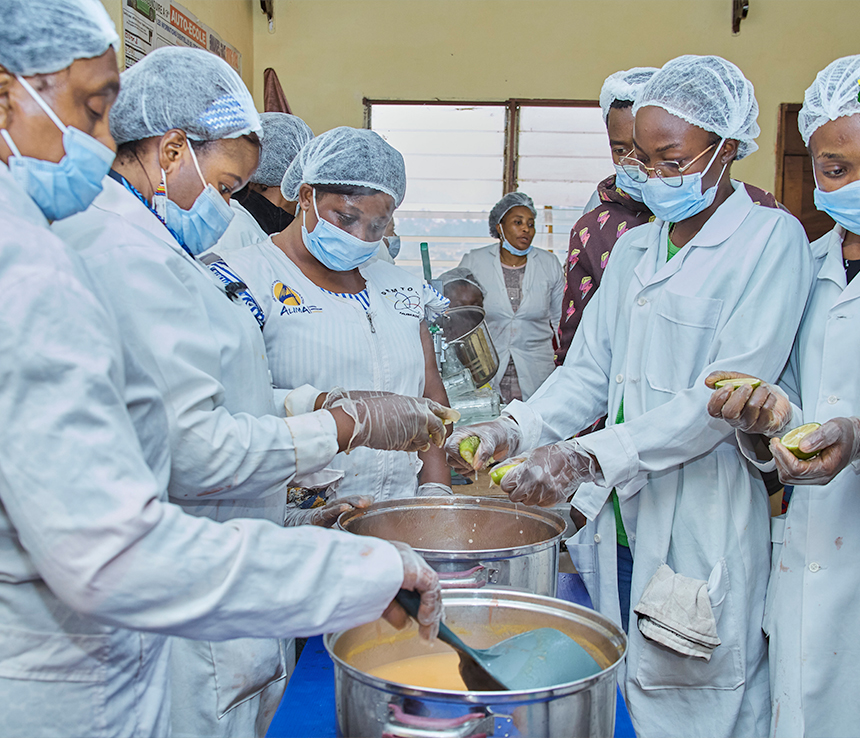
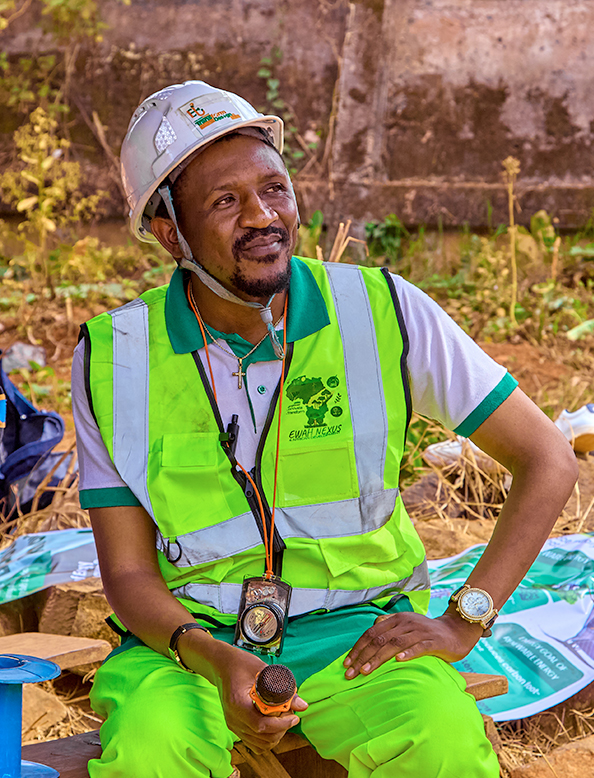
Through hands-on capacity building, practical demonstrations, and technical education, we empower women, youth, and community members to become problem-solvers, technicians, innovators, and entrepreneurs. This reduces dependency, strengthens local confidence, and ensures that projects remain useful even after external support has ended.
Our goal is not just to bring technology to communities, but to build the human capacity needed to sustain that technology.
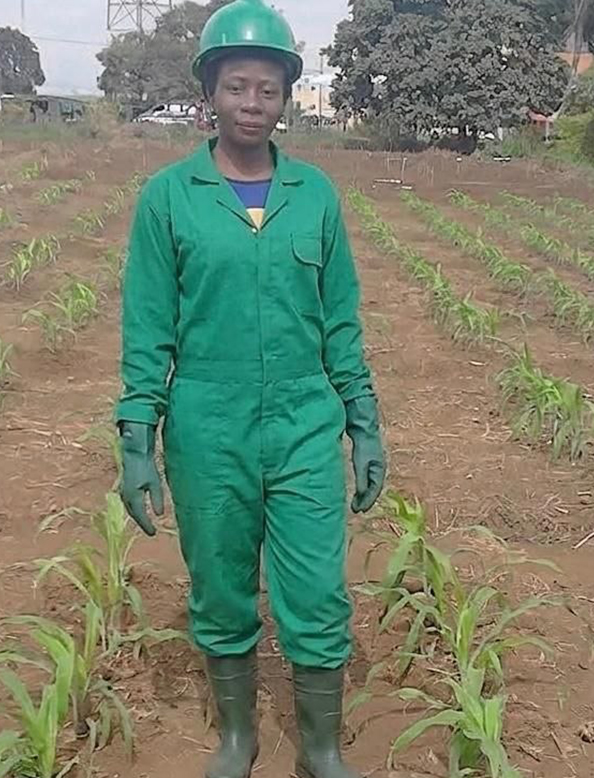
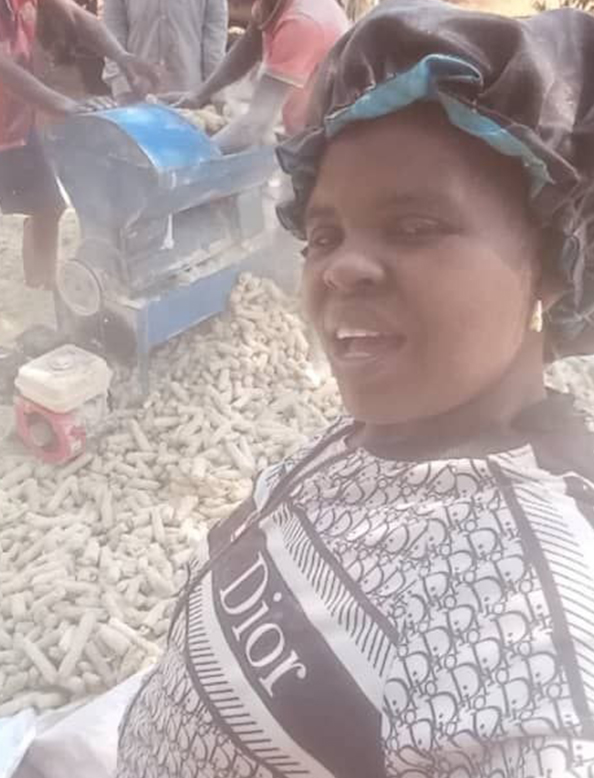
Poor water access affects agriculture, sanitation, nutrition, and public health. Weak agriculture affects food security, income, and family wellbeing. Because of this, we design solutions that address several needs at once. For example, a solar-powered water system can support irrigation, improve food production, reduce manual labor, and strengthen household health.
A clean energy solution can reduce pollution, support preservation of farm produce, and improve community livelihoods.
This value helps us create integrated projects that produce wider and longer-lasting impact.
Through digital empowerment, we promote transparency, evidence-based planning, and better project management. Communities can monitor energy production, water usage, system performance, environmental conditions, and project outcomes. This makes it easier to identify problems early, improve decision-making, and measure real impact.
We also see digital innovation as a pathway for youth empowerment. By introducing young people to digital monitoring, AI, IoT, and data-driven development, we prepare them to participate in the future green and digital economy.